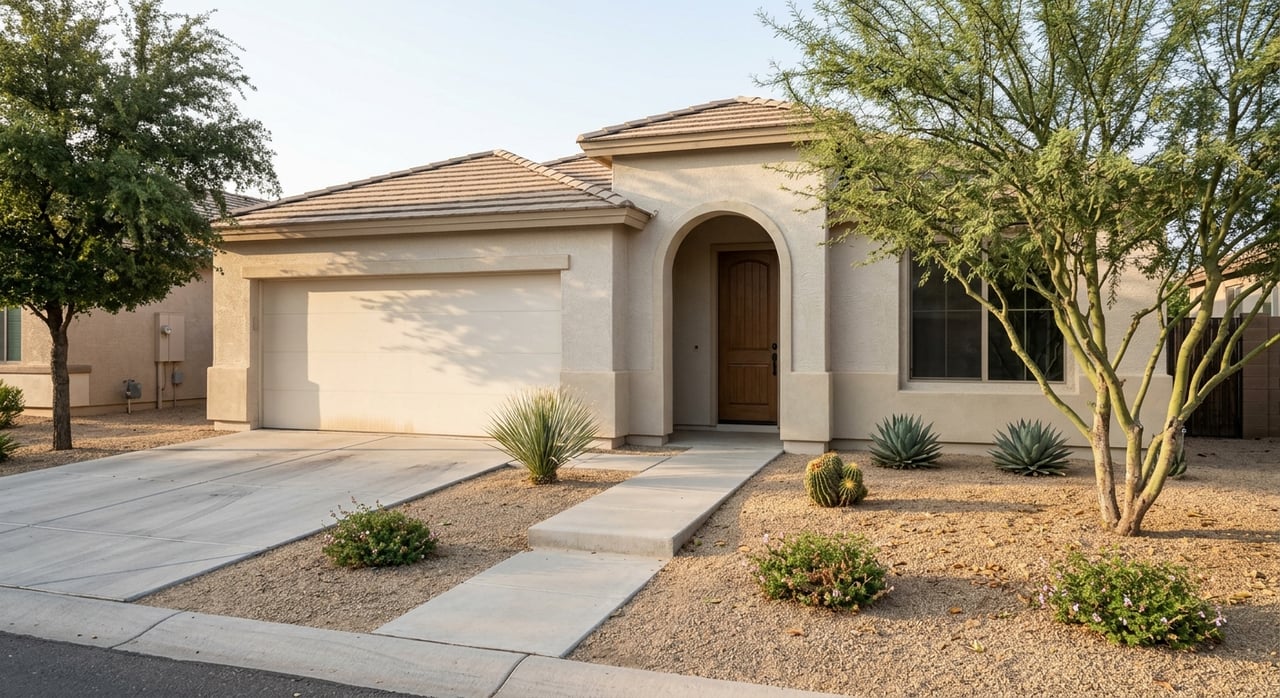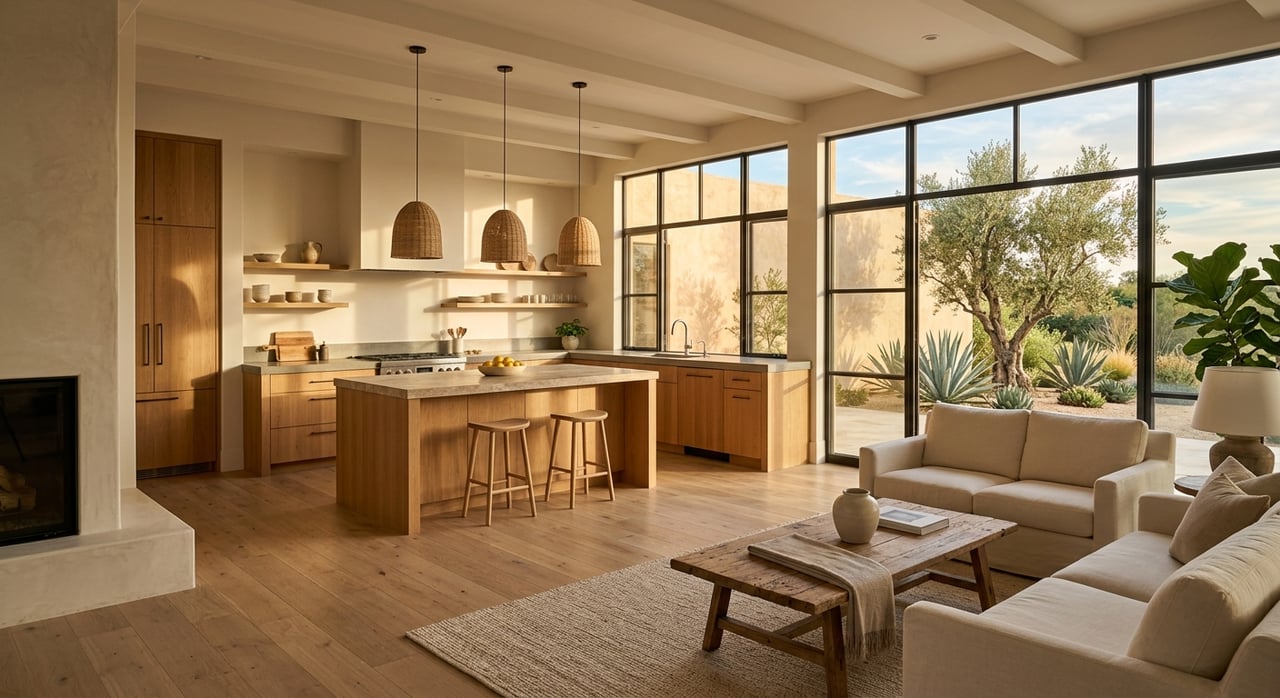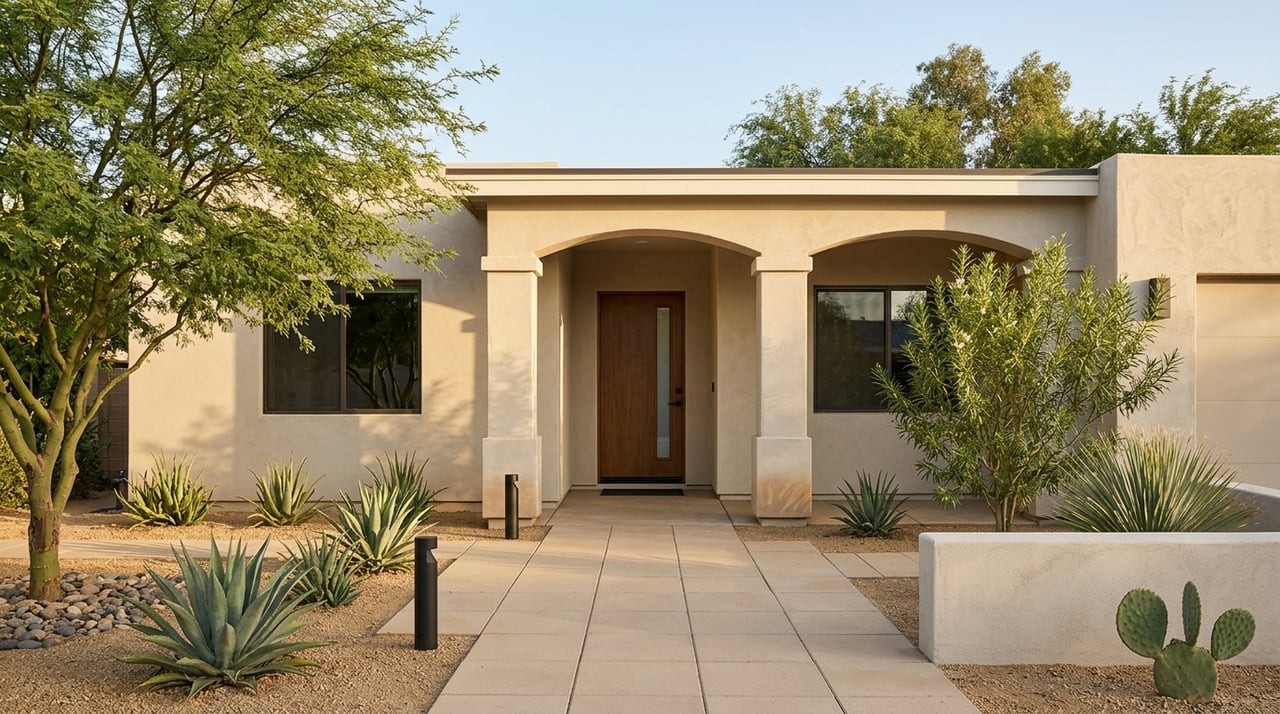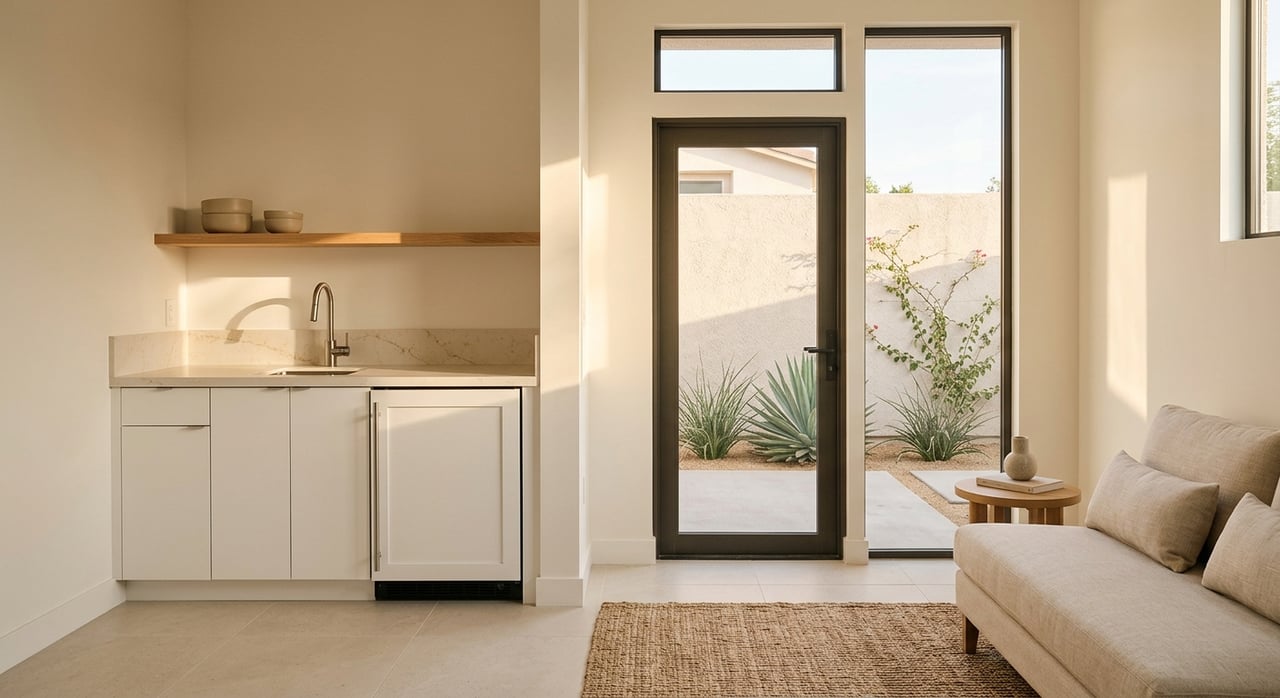
If Tempe home prices feel hard to square with your monthly budget, house hacking may be worth a closer look. In a city where the owner-occupied housing rate was 41.6% in the 2019 to 2023 ACS, with median gross rent at $1,623 and median monthly owner costs with a mortgage at $1,794, many buyers are looking for practical ways to lower out-of-pocket housing costs. If you want to live in the property and use rental income to help offset expenses, this guide will walk you through the main owner-occupant strategies, key Tempe rules, and the questions to ask before you buy. Let’s dive in.
Why house hacking fits Tempe
Tempe has several traits that make house hacking appealing for owner-occupants. The city’s median owner value was $421,900 in the 2019 to 2023 ACS, which can make affordability a real concern for first-time and move-up buyers.
At the same time, Tempe has a strong renter presence. The city’s median gross rent was $1,623, and Arizona State University reported 55,500 Tempe-campus students in fall 2025, which helps explain why demand for rooms, smaller units, and flexible rental setups can stay active.
That does not guarantee rental performance for any specific property. It does mean Tempe offers a local backdrop where owner-occupants often explore ways to share space or add a compliant rental unit.
What house hacking means
House hacking usually means you live in the home while renting part of it to help cover your housing costs. In Tempe, that often takes one of three forms: renting out a room, buying a small multifamily property and living in one unit, or using an accessory dwelling unit, also called an ADU.
Each option has different financing, management, and compliance issues. The right fit depends on your budget, your comfort level sharing space, and the type of property available in Tempe.
Room rentals in Tempe
Renting out one or more bedrooms is often the simplest way to start house hacking. You live in the home, keep the main mortgage in your name, and lease part of the property to a roommate or long-term tenant.
For many buyers, this option has the lowest barrier to entry because you do not need to buy a duplex or build a second unit. It can also be easier to unwind later if your lifestyle changes and you want the full home to yourself.
Long-term room rentals are simpler
Tempe treats short-term rentals as stays under 30 days, and the city’s rules explicitly include rooms for rent. For long-term residential rentals of 30 days or more, you do not need a City of Tempe short-term rental license.
Tempe also states it will no longer impose city TPT on long-term residential rental income effective January 1, 2025. That makes the long-term roommate model much simpler than trying to operate nightly or weekly stays.
Occupancy rules matter
Even a basic roommate setup still needs to comply with city standards. Tempe says rental units must meet space and occupancy requirements, including 220 square feet of total room area, 120 square feet for a common room, at least 70 square feet for habitable rooms, and enough sleeping-room space for occupants.
The city also notes overcrowding is a common violation. If you are considering a room-rental strategy, it is smart to review the layout carefully before you buy and make sure the home can support the number of occupants you have in mind.
Duplexes, triplexes, and fourplexes
If you want more separation between your space and your tenants, a small multifamily property may be a better fit. In this setup, you live in one unit and rent out the others.
This structure can offer more privacy than a roommate arrangement. It also creates a clearer landlord-tenant relationship because each household usually has its own kitchen, bath, and living area.
Owner-occupant financing options
Several owner-occupant loan paths can apply to small multifamily purchases. HUD says FHA loans can be used for one- to four-unit properties, with down payments as low as 3.5%.
Fannie Mae’s HomeReady materials also show support for two- to four-unit principal residences, with down payments as low as 3% in the program materials. For eligible Veteran buyers, VA guidance says multi-family units up to four units can qualify when one unit is owner-occupied by the borrower.
Do not assume rent will help you qualify
This is one of the biggest planning mistakes buyers can make. Fannie Mae’s general rental-income guidance says rental income from the borrower’s principal residence, or from the unit the borrower occupies in a two- to four-unit property, generally cannot be used for qualifying income.
That means you should talk with your lender early and ask how your planned setup will be underwritten. A property may look workable on paper, but your loan approval may depend more on your documented income and reserves than on your future roommate or tenant plans.
ADUs and guest quarters in Tempe
Tempe’s updated ADU rules make this one of the more interesting local house-hacking options. The city defines ADUs as independent, rentable dwelling units on the same lot as a single-family home.
An ADU can be attached, detached, or converted from an existing portion of the home. For eligible lots, Tempe says you may have one attached and one detached ADU.
Why ADUs can be attractive
An ADU can create more privacy than a room rental while letting you stay on a single-family property. Depending on the lot and existing improvements, it may also offer flexible long-term use for rental income, workspace, or housing for extended household needs.
Tempe also states that a single-family home with an ADU remains a single-family use rather than a duplex for tax and classification purposes. That is an important local detail for buyers comparing a house with an ADU to a true two-unit property.
Important ADU limits to know
Not every property is eligible. Tempe says properties that already have an existing duplex, triplex, or similar are not eligible for the ADU regulations.
The city also notes that HOA covenants and CC&Rs can be more restrictive than city rules. If you are buying in an HOA, you will want to verify those restrictions before you count on an ADU or rental plan.
Short-term ADU use has added rules
If the ADU is intended to be a short-term rental, Tempe says owner occupancy is required for an ADU licensed as a short-term rental if the ADU was constructed on or after December 20, 2024. This is another reason long-term rental strategies are often the simpler path for owner-occupants.
If your main goal is stable cost offset rather than hospitality-style hosting, a long-term ADU rental usually involves fewer moving parts. It is still important to confirm the property’s zoning, layout, and any private restrictions before you move forward.
Local compliance issues to plan for
House hacking is not just about buying the right property. It is also about running the property responsibly once you move in.
Tempe’s renting guidance says rental housing units should have tenant-controlled heating, cooling, hot water, electrical service, and visible landscaping. The city also flags noise, lawn parking, lawn maintenance, pool maintenance, debris, and alley upkeep as common enforcement issues.
Good operations protect your investment
In practice, many house-hack problems are operational, not financial. Parking conflicts, trash habits, noise, and delayed maintenance can create stress fast, especially when you also live on-site.
That is why clear house rules, written lease terms, and quick maintenance response matter. If you plan well from the start, you can reduce friction and protect both your living experience and your property.
Arizona landlord-tenant rules to remember
If you rent out space, you also take on legal responsibilities. Arizona law requires the landlord to disclose the property manager and an owner or authorized agent for notices, and to provide a signed copy of the rental agreement.
Security deposits also have limits. Under Arizona law, a landlord cannot demand or receive security deposits exceeding 1.5 months’ rent.
At move-out, the landlord generally must provide an itemized list of deductions within 14 days after termination, delivery of possession, and demand by the tenant. Failure to comply can expose the landlord to double damages on the wrongfully withheld amount.
Property registration questions
Maricopa County requires residential rental property used solely as leased or rented housing to be registered with the Assessor. Because the county frames the rule around property used solely as rental housing, an owner-occupied roommate setup may not fall into that same category.
Still, that point should be confirmed directly with the county or with legal counsel before you rely on it. If your strategy involves full-unit leasing or a more complex setup, getting clarity early can help you avoid surprises.
How to choose the right strategy
The best house-hacking model depends on how you want to live day to day. A room rental may be the easiest path into ownership, but it asks you to share common space.
A duplex, triplex, or fourplex can offer stronger separation, but these properties are less common and financing details matter. An ADU can be flexible and attractive, but only if the lot, improvements, and private restrictions line up.
Here is a simple way to think about your options:
| Strategy | Best for | Main advantage | Main caution |
|---|---|---|---|
| Room rental | Buyers wanting the lowest entry point | Easier to start with a typical home | Shared living space and occupancy rules |
| Small multifamily | Buyers wanting separate units | More privacy and built-in rental structure | Underwriting and inventory can be tougher |
| ADU setup | Buyers wanting flexibility on one lot | Separate rentable unit on a single-family property | Eligibility, HOA rules, and compliance review |
What to check before you buy
Before you make an offer, slow down and test the strategy against the actual property. Small details can make a big difference in whether the plan is practical.
Use this checklist as a starting point:
- Confirm whether the property layout supports your intended rental setup.
- Review Tempe occupancy and space standards.
- Ask whether any HOA rules limit rentals, ADUs, or occupancy.
- Talk with your lender about how the property will be underwritten.
- Consider parking, noise control, and maintenance expectations.
- Review Arizona lease, disclosure, and deposit requirements.
- Verify whether any county registration requirement applies to your use.
House hacking in Tempe can be a smart owner-occupant strategy, especially when you focus on long-term room rentals, small multifamily living, or a compliant ADU plan. The key is to match your budget and lifestyle with a property that works on paper and in real life.
If you want help evaluating Tempe properties through both a homeownership and rental-use lens, Snow Realty & Property Management can help you think through the options with practical East Valley insight.
FAQs
What is house hacking in Tempe?
- House hacking in Tempe usually means you live in the property and rent out part of it, such as a bedroom, another unit in a duplex through fourplex, or an ADU, to help offset housing costs.
Do Tempe room rentals need a short-term rental license?
- If the rental stay is 30 days or more, Tempe says a City of Tempe short-term rental license is not required because that setup is treated as a long-term residential rental.
Can you buy a duplex in Tempe with an owner-occupant loan?
- Yes, owner-occupant options may include FHA, HomeReady, or VA financing for eligible buyers and eligible one- to four-unit properties, depending on program rules and lender underwriting.
Can an ADU be rented out in Tempe?
- Tempe says ADUs are independent, rentable dwelling units on the same lot as a single-family home, but eligibility, property type, HOA rules, and intended rental use all need to be reviewed carefully.
Does future roommate income help you qualify for a Tempe mortgage?
- Not automatically. Fannie Mae’s general rental-income guidance says rental income from the borrower’s principal residence, or from the unit the borrower occupies in a two- to four-unit property, generally cannot be used for qualifying income.
What landlord rules matter for owner-occupants in Arizona?
- If you rent space to a tenant, Arizona law includes disclosure requirements, a limit of 1.5 months’ rent for security deposits, and timelines for returning deposits and itemized deductions after move-out.