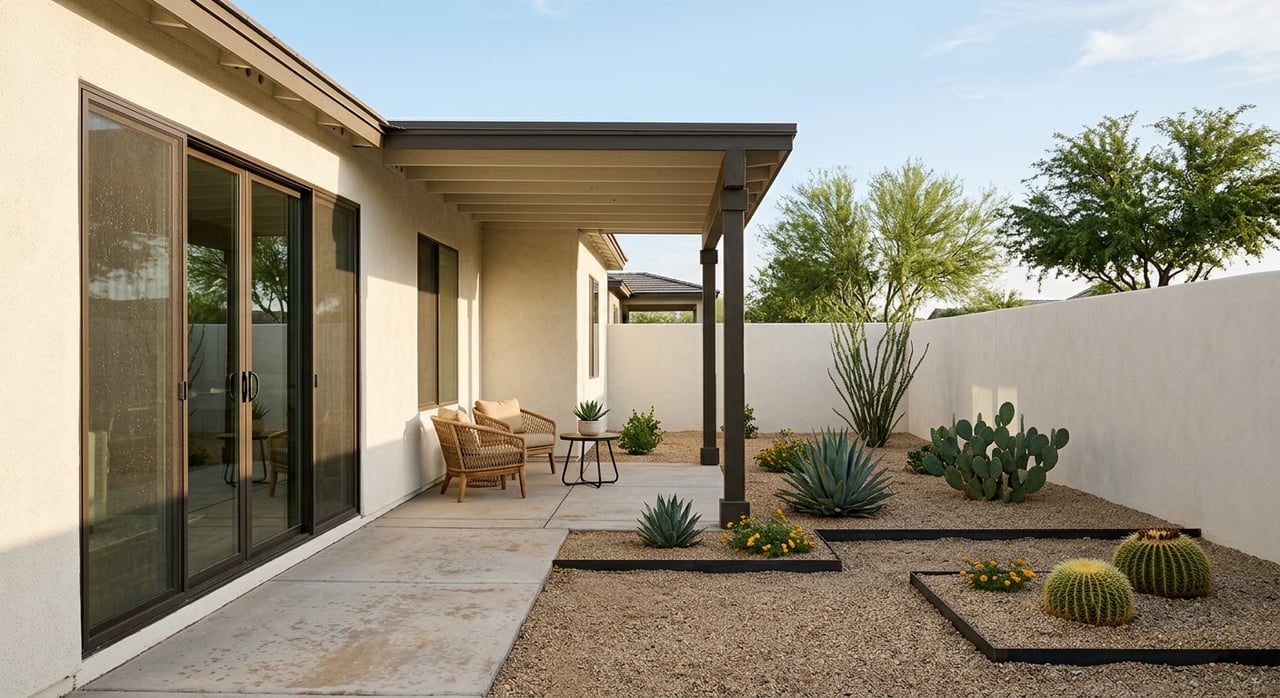
Thinking about moving to Mesa? You are not alone, and you are smart to look past the usual broad “Phoenix relocation” advice. Mesa is large, varied, and shaped by everything from desert heat and freeway access to housing style, HOA rules, and how close you want to be to shopping, trails, or light rail. This guide will help you narrow your options with a Mesa-first lens so you can relocate with more confidence. Let’s dive in.
Why Mesa Feels Different
Mesa is not a one-note suburb. Your day-to-day experience can look very different depending on whether you choose an older central neighborhood, a newer east-side planned area, or a transit-oriented home closer to Downtown Mesa.
The city’s original square-mile town site still functions as the central business district, with boutiques, sidewalk cafés, salons, antique shops, and other local businesses, according to the City of Mesa’s Downtown overview. That creates a different lifestyle than newer areas built around larger master plans, wider roadway networks, and newer housing stock.
Prepare for Mesa’s Desert Climate
If you are relocating from a milder or four-season climate, Mesa’s weather may be the biggest adjustment. A nearby NOAA benchmark at Phoenix Sky Harbor shows average daily highs of 104.2°F in June, 106.5°F in July, and 105.1°F in August, with just 7.22 inches of annual precipitation and essentially no snowfall, based on NOAA climate normals.
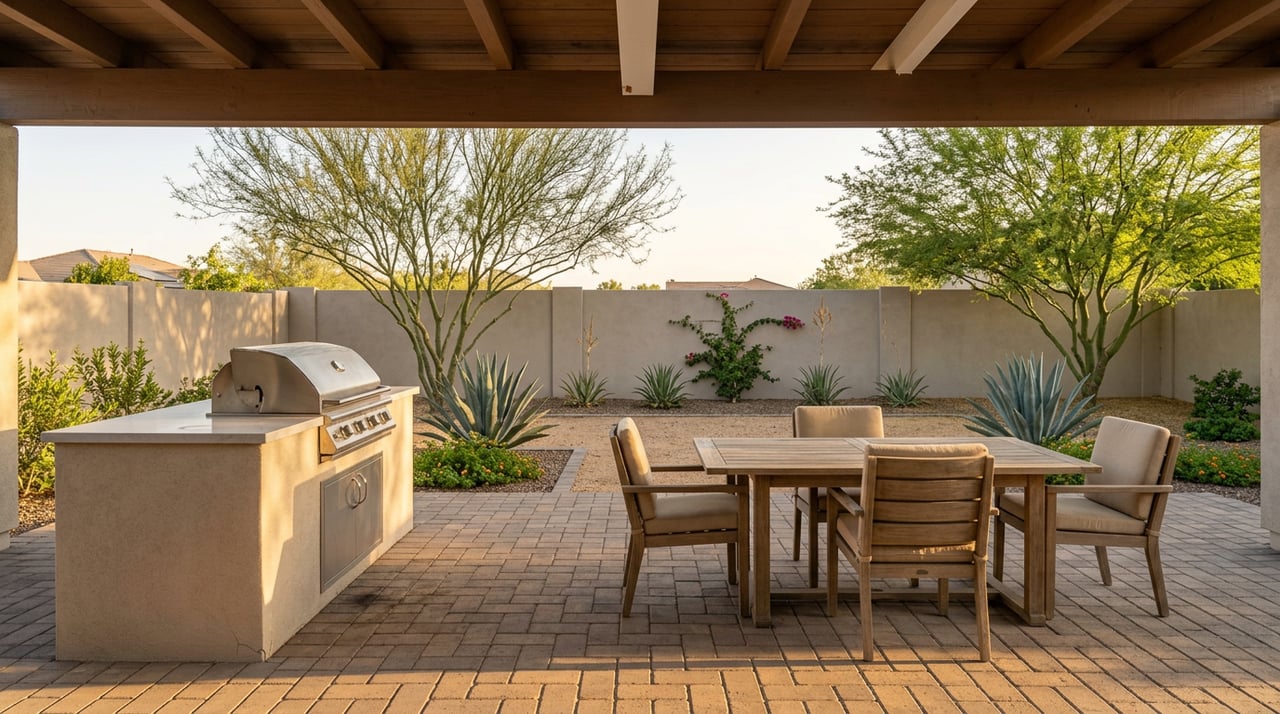
That means your home search should include practical heat questions, not just square footage and finishes. You may want to think about shade, garage space, air conditioning reliability, and how much time you expect to spend driving or outdoors in summer.
Understand Monsoon Season
The National Weather Service defines monsoon season as June 15 through September 30. During that stretch, the region can see thunderstorms, flash flooding, dust storms, wildfires, and power outages, according to monsoon safety guidance from the National Weather Service.
Mesa’s own guidance uses the same framework and encourages residents to plan for extreme heat, storm impacts, flooding, wildfires, and utility disruptions. If you are moving from out of state, it helps to treat these as normal planning issues, not rare surprises.
Build Heat Readiness Into Your Move
Mesa operates a formal heat-safety network and advises residents to have an HVAC plan, keep water on hand, and use libraries, shopping centers, or cooling centers if air conditioning fails, according to the city’s heat safety resources. For many relocators, this becomes part of the move-in checklist.
Before you choose a home, consider asking practical questions like:
- How old is the HVAC system?
- Is there a garage or covered parking?
- How much west-facing sun hits the home?
- What is your backup plan if power goes out during monsoon season?
Mesa Housing Is More Varied Than Many Buyers Expect
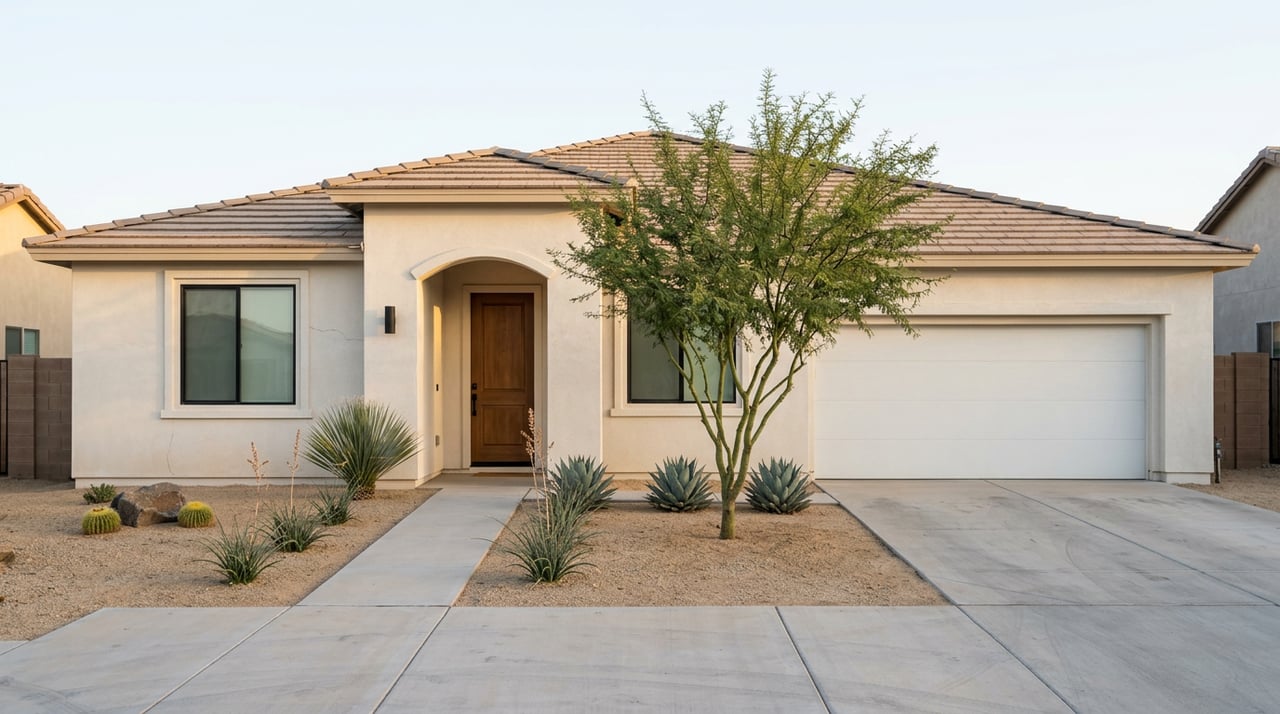
One of the biggest relocation mistakes is assuming all of Mesa offers the same housing style. In reality, the city has a wide mix of home eras, lot sizes, neighborhood layouts, and development patterns.
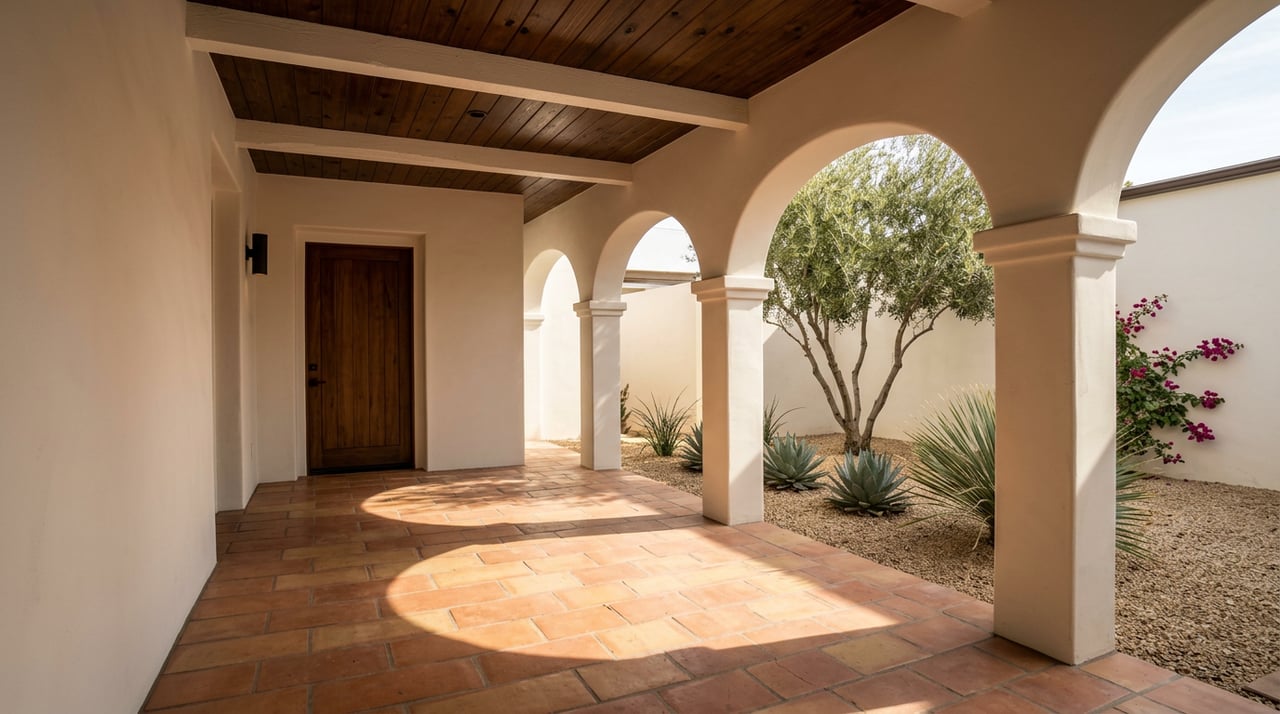
Older central Mesa neighborhoods reflect a long architectural timeline. The city notes that the Temple Historic District includes Bungalow, Tudor Revival, National Folk, Minimal Traditional, and Ranch-style homes, while the Robson Historic District shows a similar blend of older styles.
Fraser Fields offers another distinct option. The city describes Fraser Fields Historic District as a well-preserved area of custom Ranch-style homes, mostly one story, with attached or semi-attached garages and carports on large lots.
Newer Construction Has a Different Feel
If you want newer design standards, a planned-community layout, and more uniform development patterns, east Mesa may stand out. The Eastmark Community Plan covers a 3,200-acre area south of Elliot Road between Ellsworth and Signal Butte Roads and includes standards for parks, plazas, landscaping, lighting, streets, and parking.
That type of planning can appeal to buyers who prefer a more structured layout and newer homes. It can also mean a different HOA experience, which is worth reviewing early in your search.
Downtown Mesa Offers Another Option
For buyers who want a more connected, mixed-use setting, downtown has added transit-oriented housing. The city highlights Melody on Main as a four-story, 335-unit project adjacent to light rail, showing how some housing options in Mesa are built around accessibility and urban convenience rather than larger-lot suburban patterns.
If you are relocating from a denser metro area, this may be the part of Mesa that feels most familiar. If you want a newer subdivision feel, east Mesa may be a better fit.
Commute Planning Matters More Than Map Distance
In Mesa, commute convenience often depends more on freeway access than simple mileage. The city’s history page notes that the Superstition Freeway reached the city in 1977 and later connected to US 60, while Loop 101 opened in 1991 and Loop 202 reached Mesa in 1997, helping shape how residents move across the region, according to Mesa history resources.
For a relocation move, that means two homes with similar prices may feel very different once your regular drive begins. A location near US 60, Loop 101, or Loop 202 may save time and frustration compared with a home that looks close on a map but sits farther from your main route.
Public Transit Exists, But Mesa Is Still Driving-Oriented
Mesa does offer several transit options. The city lists local bus service, express service, Mesa Downtown Buzz, Mesa Fiesta Buzz, Metro Light Rail, and East Valley paratransit on its public transit page.
The city also notes that Valley Metro rail is a 26.3-mile line serving Phoenix, Tempe, and Mesa. That can be useful if you want to stay connected to other parts of the metro, but most relocation buyers still choose neighborhoods with driving patterns in mind.
Shopping and Recreation Are Spread Across the City
Mesa does not revolve around one single shopping district or recreation hub. Instead, convenience depends on which part of the city you choose.
The City of Mesa highlights shopping areas such as Downtown Mesa, Superstition Springs Center, Dana Park, and Riverview on its Shop Mesa page. Visit Mesa also describes Mesa Riverview as an 80-plus store retail and dining hub and points to the Asian District for specialty stores, grocery stores, bakeries, and salons.
That distribution matters when you relocate. If daily errands, dining variety, or specialty shopping are important to you, it helps to search by lifestyle convenience instead of only by home price.
Outdoor Access Varies by Area
Mesa also spreads its recreation assets across multiple districts. Riverview Park covers 155.3 acres and includes a splash pad, shaded playground, and the Rio Salado Pathway linking Riverview Park, Sloan Park, Mesa Riverview, and Tempe Town Lake.
Sloan Park is the Cubs’ 15,000-seat spring training facility, which may matter if seasonal events or ballpark access are part of your lifestyle. East Mesa also connects to Usery Mountain Regional Park, a 3,648-acre park with hiking, biking, camping, and trail access.
HOA Rules Can Shape Your Choice
If you are moving from a market where HOA oversight is light or inconsistent, Arizona may feel different. The Arizona Department of Real Estate says a subdivision’s Public Report must be provided before a purchase contract is signed for new homes, and that the report covers taxes, assessments, HOA details, community facilities, and local services, according to the state’s property buyer checklist.
That same checklist warns buyers to read CC&Rs carefully because they may limit landscaping choices, RV parking, play equipment, satellite antennas, and other common features. In other words, HOA review is not paperwork to skim at the end. It is part of deciding whether a neighborhood fits your day-to-day preferences.
Review HOA Documents Early
The Arizona Department of Real Estate also notes on its HOA information page that it does not regulate HOAs, though it oversees the HOA dispute process as an alternative to civil court under Arizona statutes. For buyers, the practical takeaway is simple: assume the documents matter and review them upfront.
Mesa’s development history helps explain why. The city notes that Dobson Ranch, Mesa’s first master-planned community, opened in 1973 and was HOA-governed. Today, that pattern still influences many neighborhood choices across the city.
A Simple Way to Narrow Mesa From Afar
If you are relocating and cannot tour every area in person right away, four filters can help you focus your search faster. These come directly from how Mesa is built and how buyers typically experience it.
1. Choose Your Commute Axis
Start with the freeway or corridor you expect to use most often. In Mesa, access to US 60, Loop 101, or Loop 202 can affect your routine more than the mileage number on a listing.
2. Pick Your Housing Era
Decide whether you prefer an older central Mesa home with more architectural variety, a postwar ranch layout on a larger lot, or a newer planned-community build. This choice can quickly eliminate neighborhoods that do not match your style or maintenance goals.
3. Decide on HOA Tolerance
Some buyers want more structure and are comfortable with detailed community rules. Others prefer fewer restrictions and want to avoid neighborhoods where CC&Rs shape everyday decisions.
4. Match Convenience to Lifestyle
Think about what you want near you on a regular basis. That might mean shopping districts, light rail, trails, spring training venues, or a lower-maintenance setup closer to newer development.
Questions to Ask Before You Relocate to Mesa
If you want to make your home search more efficient, ask yourself these practical questions early:
- Do you want older central Mesa character, a newer east-side planned community, or a downtown transit-oriented option?
- How much HOA structure are you comfortable with?
- Which freeway corridor will matter most for work and errands?
- Is quick access to shopping, trails, or spring training a top priority?
- Would you rather have a larger lot and older ranch home, or a newer lower-maintenance build?
Clear answers can save you time, reduce decision fatigue, and make your first Mesa tour much more productive.
Final Thoughts on Moving to Mesa
Mesa gives you real variety within the East Valley, but that variety can make a relocation search feel overwhelming at first. The good news is that once you focus on climate readiness, commute routes, housing style, HOA fit, and daily convenience, the city starts to make sense very quickly.
If you want local guidance as you compare Mesa neighborhoods, historic areas, newer communities, or investment-friendly options, Snow Realty & Property Management offers a responsive, East Valley-focused approach built around clear communication and practical local insight.
FAQs
What should you know about Mesa weather before moving?
- Mesa has a hot, dry desert climate with average daily highs above 104°F in June through August, low annual rainfall, and monsoon-related risks such as thunderstorms, flash flooding, dust storms, and power outages.
What types of homes can you find in Mesa?
- Mesa includes older central neighborhoods with historic architectural styles, postwar ranch homes on larger lots in areas like Fraser Fields, newer planned-community housing in east Mesa, and transit-oriented mixed-use housing in Downtown Mesa.
How important is freeway access when relocating to Mesa?
- Freeway access is a major factor because proximity to US 60, Loop 101, or Loop 202 can shape your daily commute and errands more than straight-line distance on a map.
Are HOAs common in Mesa neighborhoods?
- Many Mesa communities include HOA oversight, and Arizona buyers should review Public Reports and CC&Rs carefully because they may include rules about landscaping, parking, and other property uses.
Is Downtown Mesa a different lifestyle than east Mesa?
- Yes. Downtown Mesa offers a more central business district setting with local shops, cafés, and light rail access, while newer east Mesa areas tend to reflect larger planned-community development patterns.
How can you narrow Mesa neighborhoods from out of state?
- A practical approach is to filter by commute corridor, preferred housing era or style, HOA tolerance, and how close you want to be to shopping, recreation, or transit.