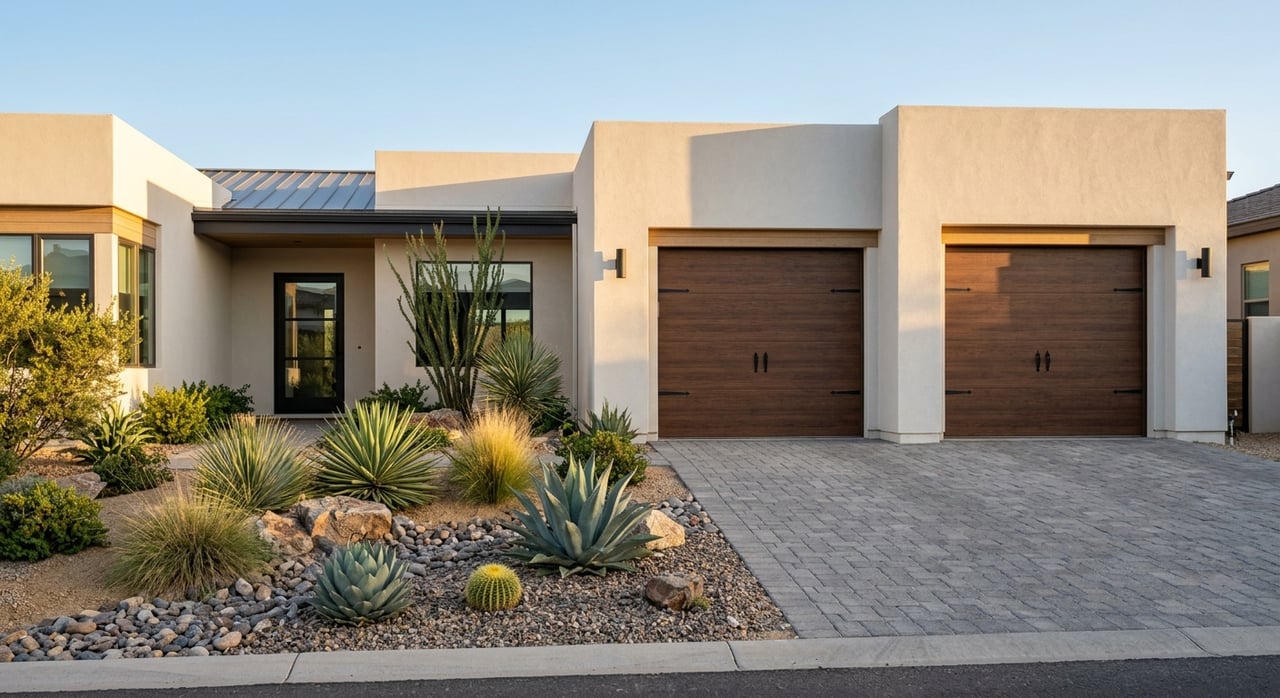
If a new construction price in Queen Creek looks straightforward, take a second look. The base price can be a helpful starting point, but it is rarely the full picture once you add homesite premiums, upgrades, closing costs, utility setup, and community-specific fees. If you want to buy with fewer surprises, this guide will show you the costs buyers often overlook in Queen Creek and what to verify before you sign. Let’s dive in.
Why base price is not final price
When you shop new construction, the advertised price usually reflects the home at its most basic configuration. Builders often make that clear in their disclosures, but it is easy to miss when you are focused on floorplans, model homes, and move-in timelines.
That matters even more in Queen Creek because the town spans both Maricopa and Pinal counties. According to the Town of Queen Creek, county boundaries can affect tax, recording, and service details, and the town advises buyers to review the Arizona Department of Real Estate public report, read the purchase contract carefully, check HOA CC&Rs, and consider professional guidance before buying.
Lot premiums can change the math fast
One of the first extra costs many buyers run into is a lot or homesite premium. Builders may charge more for certain lots based on location, size, views, or placement within the community.
For example, KB Home notes that homesite premiums may apply and that base prices do not include optional features, upgrades, upgraded exterior elevations, or association fees. That means two homes with the same floorplan can have meaningfully different final prices depending on the lot.
What to ask about homesites
Before you commit to a lot, ask for a full breakdown of:
- Base price
- Homesite premium
- Included exterior elevation
- HOA fees
- Any required lot-specific costs
This gives you a more accurate side-by-side comparison between communities.
Design center upgrades add up quickly
Model homes are designed to inspire you, but they can also distort your budget expectations. Features you see during a tour may include upgraded finishes, enhanced landscaping, or design selections that are not part of the standard package.
KB Home’s Queen Creek materials state that model-home images may show upgraded landscaping and that certain options may not be available after construction cut-off deadlines. The same materials also note that buyers may need to pay for additional features and upgrades beyond what is already included.
Common upgrade categories to verify
Ask the builder for a written list of standard versus optional features in areas like:
- Cabinets and countertops
- Flooring
- Plumbing fixtures
- Lighting
- Electrical prewires
- Exterior doors and hardware
- Backyard landscaping
It is also smart to ask about option deadlines early. If you wait too long, some choices may no longer be available, which can affect both your budget and your plans for the home.
Appliances, blinds, and landscaping vary by builder
One of the easiest mistakes buyers make is assuming every builder includes the same basics. In reality, included features can vary a lot, even between nearby Queen Creek communities.
For example, Lennar’s Signature at Madera says stainless appliances and 2-inch faux wood blinds are included at no extra cost. On the other hand, Meritage warns in its official disclosures that promotional materials may show window treatments, landscaping, appliances, and other designer features that are not included in the home.
The takeaway is simple: never assume the model home reflects the base package. Ask for the exact included-features sheet for the specific plan and homesite you are considering.
Deposits and financing choices matter
If the home is not yet built, you may need to put down a builder deposit or earnest money early in the process. That money can be significant, so you should ask exactly when it becomes nonrefundable and under what conditions it could be returned.
The Consumer Financial Protection Bureau says builders may require an upfront deposit for homes not yet built, and buyers should ask when that deposit can be returned. CFPB also says builders often have an associated mortgage lender, but you do not have to use that lender and can shop around for a better deal.
Do builder incentives always save money?
Not necessarily. Builder incentives can help, but the fine print matters.
For example, Meritage states that its preferred-lender closing-cost incentive varies by homesite and may be used toward specific expenses such as title policy, escrow agent fees, and loan origination fees. It also says the incentive may be lost if you use a different lender or closing agent.
That means a builder credit is not always the same as cash savings. You need to compare the full loan terms, fees, and cash needed at closing, not just the headline incentive.
Closing costs are often larger than expected
Many buyers focus on the down payment and forget how much cash they may also need for closing costs and prepaids. According to the CFPB, closing costs typically range from 2% to 5% of the purchase price, not including the down payment.
The Closing Disclosure can include charges such as:
- Loan origination fees
- Discount points
- Taxes and government fees
- Prepaid items
- Initial escrow payment at closing
CFPB also notes that HOA fees are often not included in escrow. That means you may need to budget separately for HOA-related payments due around closing or move-in.
Queen Creek utility costs can surprise buyers
Move-in costs do not stop at closing. In Queen Creek, utility setup can add upfront cash requirements that buyers should plan for before move-in day.
According to the Town of Queen Creek new service page, water and sewer/wastewater are provided by the town. New service requires two business days’ notice, same-day service costs $35, and the initial payment is $150, which includes a refundable $125 deposit and a non-refundable $25 establishment fee. The town also states that trash and recycling service begins when water service is established, and the monthly trash and recycling rate is $16.22.
Water and sewer fees to confirm
Queen Creek’s published utility schedules show why it is worth confirming utility-related costs in advance. On the town’s water rates and fees page, a 3/4-inch meter currently includes:
- $500 meter cost
- $25 establishment fee
- $125 deposit
- $2,382 water capacity charge
The same page says meter sets can take 7 to 10 business days after the account is set up and payment is received. On the town’s sewer rates and fees page, new customers pay $37.38 until the town establishes winter water-use averages, and the current maximum monthly residential sewer charge is $67.61.
These numbers may not apply the same way in every transaction, but they are a strong reminder to ask who pays which utility-related charges in your specific purchase.
Community fees and tax assumptions vary
There is no single Queen Creek formula for HOA dues and property taxes. These costs can vary by community, lot, and county location.
One example comes from Lennar’s Madera community page, which lists approximate HOA fees of $110 and an approximate tax rate of 0.4%. That is useful as a reminder, but it should not be treated as a universal estimate for every new-build community in Queen Creek.
Because Queen Creek spans two counties, it is also important to confirm how the property is assessed and taxed. The town’s guidance emphasizes careful review of public reports, contracts, and HOA documents before you move forward.
Timeline delays can cost you too
The purchase price is only one part of the budget. Delays can create extra costs if your lease ends before the home is ready, if your rate lock needs to be extended, or if your moving schedule changes.
KB Home’s Queen Creek materials say personalized homes are delivered in about 4 to 5 months, while also warning that current time frames before closing may be longer than originally anticipated. That is why it is smart to ask about build stages, option cut-off dates, and any contract language related to delays.
Why independent guidance helps
New construction can feel simpler because the builder has a set process, but that does not always mean it is simpler for you as the buyer. You still need to compare loan options, understand the contract, and evaluate the real cash needed to close and move in.
The CFPB says that buyers can often choose some closing-service providers and that settlement agents independent from other real estate professionals may offer lower costs and more objective advice. Paired with Queen Creek’s own guidance to review the public report, purchase contract, and HOA CC&Rs carefully, that is a strong case for having an experienced local advocate in your corner.
If you are comparing new construction in Queen Creek, a clear cost review can save you from budget stress later. Snow Realty & Property Management helps buyers look beyond the advertised base price so you can make a confident decision with local insight and responsive, practical guidance.
FAQs
What extra costs should buyers expect with new construction in Queen Creek?
- Buyers should verify homesite premiums, upgrades, closing costs, HOA fees, utility setup charges, appliances, window coverings, landscaping, and move-in related expenses.
Are closing costs included in a new construction base price in Queen Creek?
- Usually not. The CFPB says closing costs typically run 2% to 5% of the purchase price, not including the down payment.
Do Queen Creek builders include appliances and blinds in the base price?
- It depends on the builder and community. Some Queen Creek communities include items like appliances and blinds, while others specifically warn that model-home features may not be included.
Can you use your own lender for a new construction home in Queen Creek?
- Yes. The CFPB says buyers do not have to use the builder’s affiliated lender and can shop around, though some builder incentives may depend on using preferred providers.
What utility setup costs should buyers check before moving into a new Queen Creek home?
- Buyers should ask about water, sewer, trash, meter-related charges, deposits, establishment fees, and service timelines through the Town of Queen Creek.
Why is contract review important for Queen Creek new construction?
- Queen Creek advises buyers to read the public report, review the purchase contract carefully, and check HOA CC&Rs because important costs and obligations may not appear in the advertised base price.