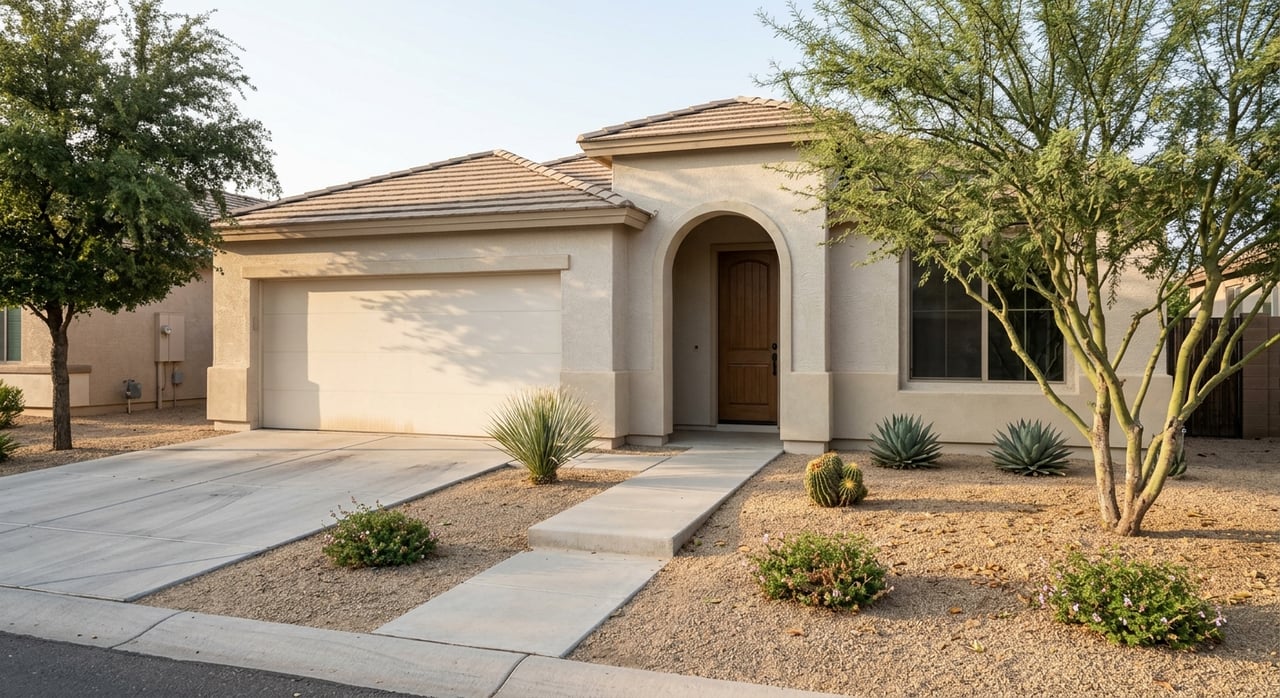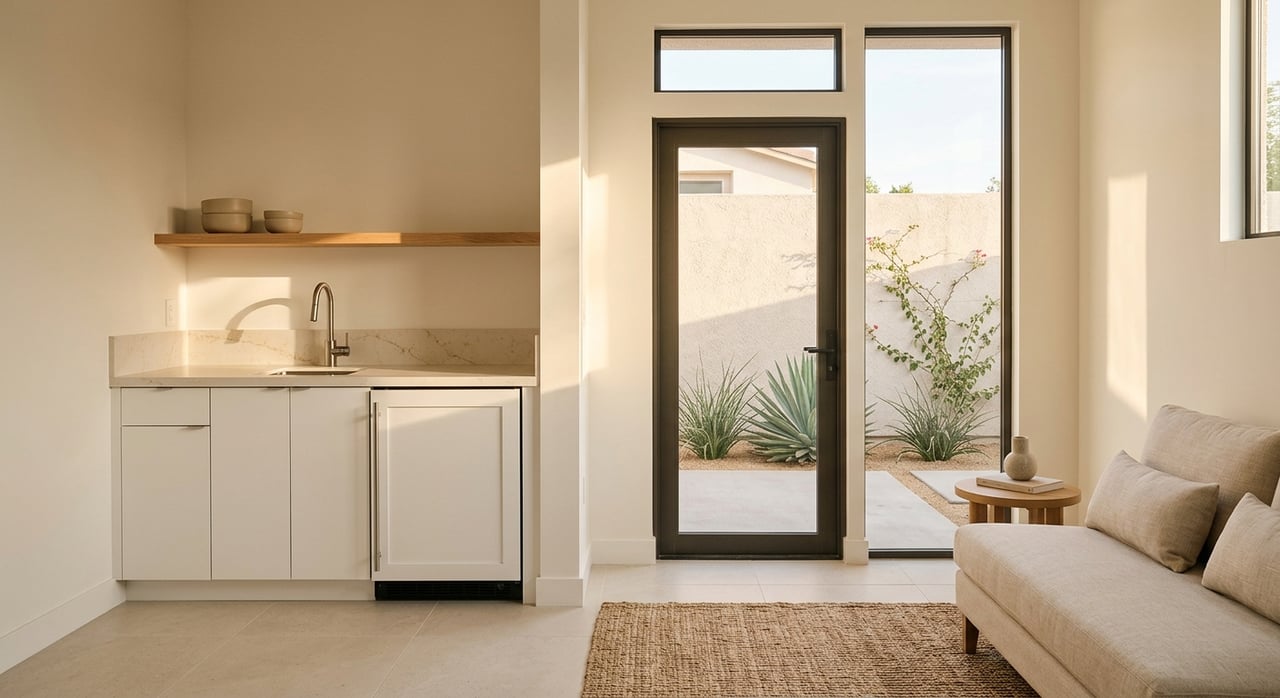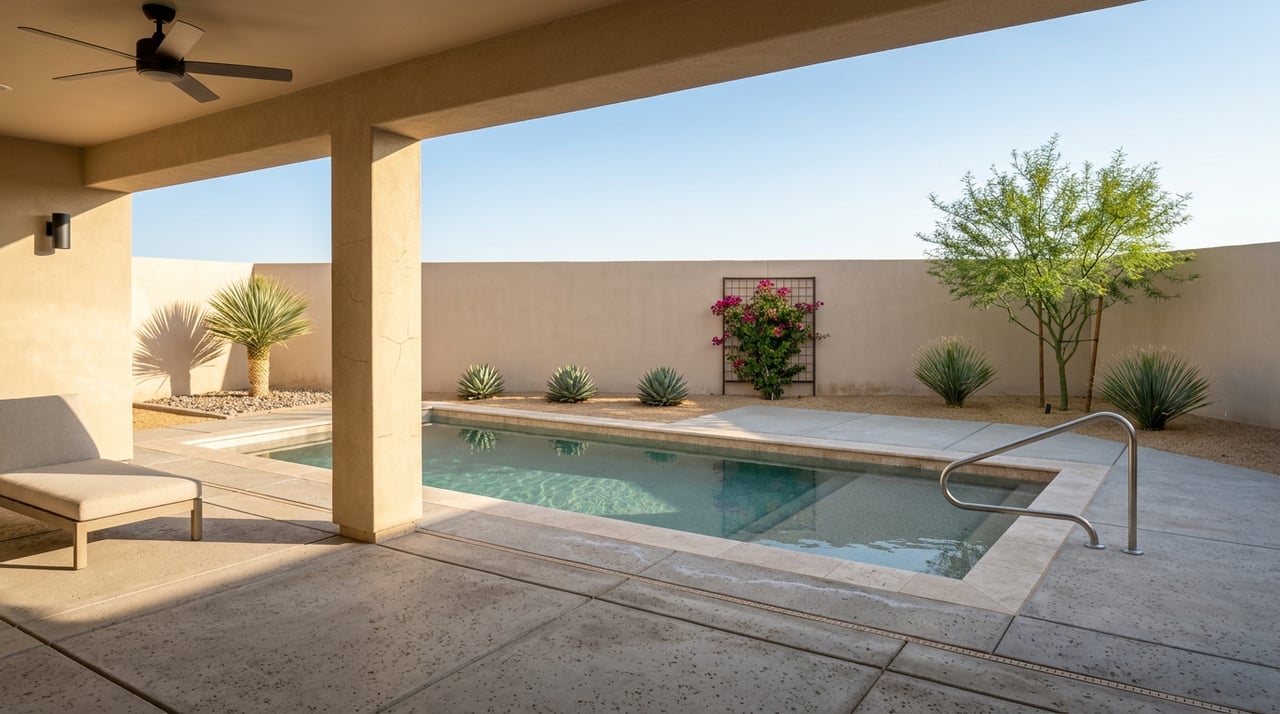
Thinking about buying in San Tan Valley but not sure if an HOA or a non-HOA home is the better fit? You are not alone. From lifestyle rules and amenities to fees and Arizona’s recent law changes, there is a lot to compare. In this guide, you will learn the key differences, what those HOA documents actually mean, and how to do smart due diligence before you commit. Let’s dive in.
Quick look: HOA vs non-HOA in San Tan Valley
San Tan Valley offers both styles in a big way. Many neighborhoods are planned communities with associations, while plenty of rural lots and non-subdivision homes come with no HOA. Subdivisions like Encanterra, Johnson Ranch, Skyline Ranch, San Tan Heights, Promenade, and The Preserve each run their own rules and fee structures, so you will want to compare community by community.
One local factor to watch is the area’s path toward municipal incorporation. According to Pinal County’s incorporation notice, new town responsibilities may phase in while county services continue during the transition. That shift can change which local ordinances apply to certain areas, but private CC&Rs stay in force either way.
Bottom line: HOA communities trade more structure and shared amenities for monthly dues and rules. Non-HOA homes trade more freedom for more personal responsibility over maintenance and neighborhood standards.
What an HOA controls
Rules you may live with
Most HOAs set standards for exterior appearance and upkeep. Expect guidelines for paint palettes, roof materials, landscape types, and when you need Architectural Review Committee approval for changes. Vehicle and parking rules are also common. Some communities limit street parking or set rules for RVs and boats. Rental policies, quiet hours, pet limits, sign placement, and pool hours often appear in the rules too.
Arizona also protects certain rights that override community bans. Political displays have guardrails that communities cannot exceed under the 2025 political signs and flags law, and solar devices are protected under the solar energy statute, which allows only reasonable placement rules that do not impair function.
Your rights inside an HOA
Your association must keep meetings open in most cases and allow a chance to speak under A.R.S. 33-1804. Just as important, Arizona law gives you access to association records. The records statute, A.R.S. 33-1805, requires the HOA to make records reasonably available and fulfill a records request within 10 business days.
If the HOA records an open meeting, the 2025 meeting recordings law (SB 1039) requires the association to keep the unedited recording for at least six months and provide it on request. These protections make it easier to review budgets, minutes, and board discussions before you buy.
Costs and amenities: what you get for dues
Typical fee ranges in San Tan Valley
Dues vary widely with amenities and property type. Local snapshots show many lower-amenity subdivisions in a typical range of about 50 to 175 dollars per month, which often covers parks, a community pool, and common-area care. Higher-amenity or country-club style communities can run several hundred dollars per month. Use these as examples only and confirm the exact amounts with the resale packet and listing documents. For a quick overview of local ranges, review this San Tan Valley HOA fee summary.
What drives costs up? Extras like guarded gates, staffed security, large pools, multiple sport courts, private roads, or a full club experience often mean higher monthly dues. Even within one master development, different subassociations can charge different amounts based on the homes and amenities they maintain.
The non-HOA cost tradeoffs
No monthly dues can be appealing, but owners typically handle more on their own. You will plan and pay for your own landscape services, exterior maintenance, and any desired neighborhood improvements. There is also less oversight to keep properties uniform in look and upkeep. For some buyers that flexibility is the goal. For others, community standards and shared amenities are worth the monthly cost.
2025 Arizona law changes buyers ask about
Foreclosure and HOA liens
Associations can record a lien for unpaid assessments and use several collection tools. In 2025, the legislature raised the floor for when a planned community can foreclose on that lien. Under the 2025 foreclosure changes (SB 1494), a board may begin a foreclosure only after 18 months of delinquency or 10,000 dollars owed, whichever comes first. That higher threshold reduces small-balance foreclosures, but liens and other collection actions still remain possible.
Public roads, parking, and HOA authority
HOA authority over public roadways has changed in recent years. The public roads statute, A.R.S. 33-1818, removed certain HOA powers over public streets recorded after 2014 and required many older communities to hold a member vote to keep specific roadway-related authority. If an HOA did not meet the vote requirement by the deadline, some street rules may have expired. Ask your agent and the HOA how this applies to your block before you buy.
Solar devices and political displays
If clean energy is on your wish list, Arizona’s solar energy statute prevents an HOA from banning solar devices. The association may set reasonable placement rules, but it cannot impair system function. During election periods, the 2025 political signs and flags law clarifies size and timing limits that HOAs must allow. Review your CC&Rs and rules to see the local implementation.
Due-diligence checklists
If you are buying in an HOA
- Request the full resale packet or estoppel. It should include CC&Rs, bylaws, rules, the latest budget, reserve study or reserve disclosures, insurance declarations, vendor contracts, minutes for the last 12 to 24 months, any litigation disclosures, and a payoff statement.
- Use your records rights. The records statute, A.R.S. 33-1805 gives the HOA ten business days to provide requested records.
- Scan the minutes for planned projects, special assessments, reserve funding gaps, or disputes with vendors or the developer.
- Confirm total dues and what they cover. Ask about master and subassociation dues, utilities or irrigation included, gate or security costs, and how dues are billed.
- Ask about rental policies, short-term rental rules, and any age-restricted designation. If you are worried about lien risk, note the 18 months or 10,000 dollars foreclosure threshold under the 2025 law.
- Verify whether the HOA is professionally managed or self-managed. Get the management company’s contact details and standard turnaround times for resale packets and rush orders.
- If you spot unusual legal language or learn about pending litigation, consider a real-estate attorney review before you waive contingencies.
- If you have a dispute later, the ADRE HOA dispute process can route petitions to the Office of Administrative Hearings.
If you are buying a non-HOA property
- Clarify which services you will handle directly. Plan for landscaping, exterior maintenance, irrigation, and any private road or shared driveway costs.
- Ask your agent to confirm any recorded CC&Rs. Some non-HOA areas still have basic use restrictions recorded with the subdivision even without a formal association.
- Review parking and storage needs up front. Non-HOA homes often appeal to owners with RVs, boats, or work vehicles. Confirm what is allowed by local code on your specific lot.
- Price out your wish list. If you want a pool, sport court, or extra workshop space, you may have more flexibility in a non-HOA area, but you will also carry full build and maintenance costs.
If you are selling an HOA home
- Order the resale packet or estoppel promptly once under contract to avoid closing delays. Ask about standard and rush timelines.
- Budget for transfer, estoppel, and administrative fees. In local practice, resale-related fees often range from about 100 to 400 dollars, with possible rush or initiation charges depending on the community.
- Clear violations early. Unpaid fines or open violations can show up on the estoppel and hold up title.
- Be transparent in your listing. Summarize HOA dues and key rules so buyers are not surprised during escrow.
Which is right for you?
Choose an HOA if you value consistent curb appeal, shared amenities like pools and parks, and a structured set of rules that guide the neighborhood’s look and feel. Dues buy convenience and community standards. Choose a non-HOA home if you want more personal freedom and the chance to tailor your property without committee approvals. You will take on more maintenance, but you will also have more say.
If you are an investor, the right choice depends on your strategy. HOA communities can attract tenants who value amenities and uniform standards, while non-HOA homes can be ideal for tenants who want space for vehicles, trailers, or small home-based work. Either way, run the numbers with realistic dues, maintenance, and vacancy assumptions.
Ready to compare real homes, line by line? Our East Valley team helps you weigh rules, fees, and long-term costs so you can buy with confidence. Reach out to Snow Realty & Property Management for local guidance, clear next steps, and a plan that fits your goals.
FAQs
Can an HOA in Arizona foreclose for unpaid dues?
- Yes. Associations can record a lien and, under the 2025 law, may begin foreclosure after 18 months delinquent or 10,000 dollars owed, whichever comes first.
How fast can I get HOA documents in Arizona?
- The records statute, A.R.S. 33-1805, gives HOAs ten business days to make records reasonably available, while resale packet timelines vary by management company.
Can an HOA stop me from installing solar or flying a political flag?
- No. Arizona protects solar devices with reasonable placement rules, and political signs and flags are protected within size and timing limits under the 2025 law.
Do HOA rules still apply if San Tan Valley incorporates as a town?
- Yes. Incorporation affects which government ordinances apply, but private CC&Rs remain binding on the property regardless of municipal status.
Who controls parking on public streets inside an HOA?
- It depends. Under A.R.S. 33-1818, HOA authority over public roads is limited unless the community met specific vote requirements; ask how it applies to your block.